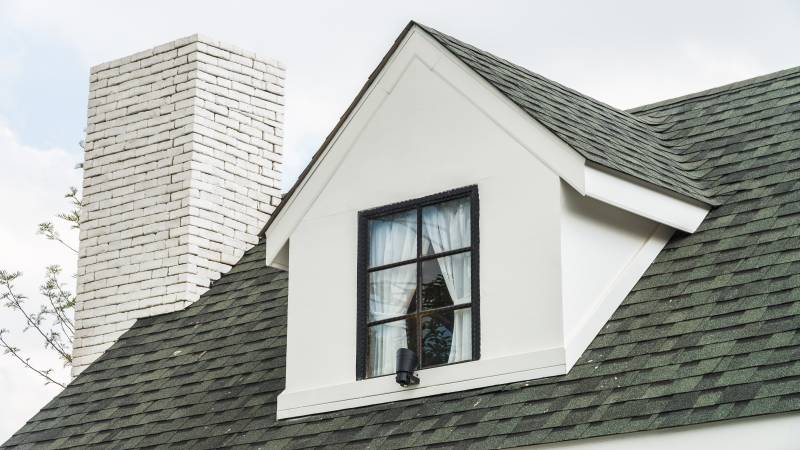
A roof is one of the most important parts of any building. It protects the interior from rain, wind, sunlight, dust, and changing weather conditions. Choosing the right roofing material can improve a property’s appearance, reduce maintenance needs, and help homeowners manage long-term costs. With so many roofing options available, it is important to understand the materials, their advantages, limitations, and suitability for different buildings.
Vinyl roofing is one option that property owners may consider when planning a new roof or renovating an existing structure. It is commonly associated with synthetic roofing membranes, particularly in buildings with flat or low-slope roofs. Vinyl-based materials are valued for their flexibility, resistance to moisture, and relatively straightforward maintenance when properly installed.
Understanding vinyl roofing homerocketrealty as a roofing topic involves looking beyond its appearance and considering how the material performs in everyday conditions. Homeowners should evaluate the roof’s slope, local climate, installation requirements, expected lifespan, and total cost before making a decision.
This guide explains the basics of vinyl roofing, its main benefits, possible disadvantages, installation process, maintenance requirements, and the factors that help determine whether it is a suitable choice for a residential property.
1. What Is Vinyl Roofing?
Vinyl roofing generally refers to roofing systems made from polyvinyl chloride, commonly known as PVC. This synthetic material is manufactured into flexible sheets or membranes designed to protect buildings from water penetration.
PVC roofing membranes are frequently used on flat and low-slope roofs, where rainwater may drain more slowly than it does on steep roofs. These membranes create a protective layer over the roof structure and help prevent moisture from entering the building.
Some vinyl roofing products contain reinforcing materials that improve their strength and dimensional stability. Manufacturers may also include additives to support flexibility, weather resistance, and other performance characteristics.
Vinyl roofing should not be confused with vinyl siding. Siding is installed on exterior walls, while a roofing membrane is specifically designed for roof applications. Their materials may be related, but their construction, installation methods, and performance requirements differ.
Before selecting any product, homeowners should check whether it is designed for their particular roof type and whether it meets applicable building regulations.
2. Main Benefits of Vinyl Roofing
Vinyl roofing offers several potential advantages, although its performance depends on product quality, installation, and environmental conditions.
Water Resistance
One of the main purposes of a roofing membrane is to prevent water from entering a building. PVC membranes can provide a continuous waterproof layer when seams, edges, drains, and penetrations are properly installed.
This feature makes vinyl roofing a practical option for many flat and low-slope roofs. However, water resistance does not eliminate the need for proper drainage. Standing water, blocked drains, or poorly sealed joints can still create problems.
Durability
Quality roofing materials must withstand regular exposure to sunlight, rain, temperature changes, and wind. PVC membranes are manufactured for exterior use and can provide reliable service when selected and installed according to the manufacturer’s specifications.
Their durability depends on membrane thickness, reinforcement, installation quality, exposure conditions, and maintenance. Not every vinyl product offers the same level of protection, so comparing technical specifications is important.
Relatively Low Maintenance
Compared with some traditional roofing systems, vinyl membranes may require less routine maintenance. They generally do not need painting or regular surface treatments as part of normal care.
Nevertheless, homeowners should inspect the roof periodically. Small punctures, damaged seams, blocked drainage outlets, and deteriorating flashing should be addressed before they develop into larger problems.
Reflective Properties
Some white or light-colored PVC roofing membranes reflect a substantial amount of sunlight. Depending on the product and roof design, this can help reduce the amount of solar heat absorbed by the roof.
A reflective surface may contribute to lower cooling demand in warm climates, especially in buildings with limited roof insulation. Actual energy savings depend on insulation levels, ventilation, building design, local weather, and the efficiency of the cooling system.
Design Flexibility
Vinyl roofing membranes are available in different thicknesses, colors, and installation configurations. This gives property owners and roofing professionals flexibility when planning suitable systems for different buildings.
However, appearance should not be the only consideration. Compatibility with the roof structure, drainage design, insulation, and local weather conditions is equally important.
3. Different Types of Vinyl Roofing Systems
Understanding the available roofing systems helps homeowners choose a material that fits their property’s needs.
PVC Single-Ply Membranes
PVC single-ply membranes consist of a relatively thin, flexible sheet installed over a prepared roof surface. The membrane forms a waterproof barrier and is commonly used on flat or low-slope roofs.
The sheets are often joined using specialized hot-air welding equipment. When performed correctly, this process creates strong seams that help prevent water from passing through the joints.
PVC membranes are available in different thicknesses and reinforcement options. The right choice depends on the building’s use, expected foot traffic, exposure conditions, and the manufacturer’s recommendations.
Reinforced Vinyl Roofing
Some vinyl roofing membranes contain reinforcing materials, such as polyester scrim, to improve dimensional stability and resistance to tearing. Reinforcement can be particularly useful on commercial roofs or residential structures where additional strength is required.
The presence of reinforcement does not make a roof indestructible. Sharp objects, improper installation, and excessive foot traffic can still damage the membrane.
Vinyl-Coated Roofing Products
Certain roofing products use vinyl coatings or related synthetic materials as part of a protective system. These products may have different installation requirements and performance characteristics from standard PVC membranes.
Homeowners should read the manufacturer’s documentation carefully rather than assuming that all vinyl-based roofing products offer identical benefits.
4. Is Vinyl Roofing Suitable for Residential Properties?
Vinyl roofing can be suitable for residential buildings, particularly homes with flat roofs, extensions, garages, porches, and other low-slope structures. It may also be considered for certain larger residential buildings with roof designs that accommodate membrane systems.
However, suitability depends on the property’s construction and the exact product being considered.
For example, a traditional house with a steeply pitched roof may be better suited to asphalt shingles, metal panels, clay tiles, or other roofing materials designed for sloped surfaces. A PVC membrane is not automatically the best replacement for these systems.
Homeowners researching vinyl roofing homerocketrealty should first determine whether their roof has the correct slope, drainage arrangement, and structural support for a membrane-based system.
It is also important to consider the building’s appearance. Some homeowners prefer traditional roofing materials because they complement the architectural style of their property. Others prioritize waterproofing performance and ease of maintenance on a flat roof.
A qualified roofing contractor can inspect the structure and explain which materials are compatible with the existing roof.
5. Understanding the Installation Process
Proper installation is essential to the performance of any roofing system. Even a high-quality membrane may fail prematurely if the roof surface is poorly prepared or the seams are incorrectly sealed.
Step 1: Inspect the Existing Roof
The first step is to examine the existing roof for leaks, damaged materials, structural problems, and drainage issues. If moisture has entered the roof assembly, affected areas may need to be repaired before a new membrane is installed.
Step 2: Prepare the Roof Surface
The roof deck must be suitable for the proposed system. Depending on the design, the contractor may install insulation, cover boards, or other approved layers before laying the membrane.
The surface should be prepared according to the roofing manufacturer’s instructions.
Step 3: Install the Membrane
The roofing membrane is positioned over the prepared surface and secured using an approved attachment method. Depending on the system, this may involve mechanical fasteners, adhesive, or another manufacturer-approved technique.
The choice of attachment method depends on wind conditions, roof construction, and the specific roofing product.
Step 4: Seal the Seams
Membrane sheets must be joined carefully to create a reliable waterproof barrier. PVC systems commonly use hot-air welding to connect overlapping sheets.
The installer should check the seams and ensure that corners, edges, vents, and other penetrations are properly detailed.
Step 5: Check Drainage and Finish the Installation
Drainage outlets must remain clear, and water should be able to move toward the designated drains. The contractor should inspect the completed roof, paying particular attention to seams, flashing, edges, and penetrations.
A final inspection helps identify installation problems before the roof is exposed to regular weather conditions.
6. How Much Does Vinyl Roofing Cost?
The cost of vinyl roofing varies according to several factors. These include the roof’s size, membrane thickness, labor rates, insulation requirements, accessibility, and the amount of preparation needed.
A simple roof with a sound deck may be less expensive to cover than a roof requiring extensive repairs or replacement of damaged insulation.
Other cost factors include:
-
Material quality: Higher-performance membranes or specialized systems may cost more.
-
Roof complexity: Multiple drains, corners, skylights, and penetrations increase installation work.
-
Labor expenses: Local contractor rates and project difficulty influence the final price.
-
Removal and disposal: Removing an existing roofing system can add to the total cost.
-
Additional components: Insulation, cover boards, flashing, and drainage improvements may be necessary.
Homeowners should request detailed written estimates from multiple qualified contractors. Each estimate should identify the proposed materials, preparation work, installation method, warranty terms, and any exclusions.
Comparing only the initial price can be misleading. A slightly more expensive system may offer better suitability or lower maintenance costs over its service life.
7. Vinyl Roofing Compared With Other Materials
Different roofing materials serve different purposes, so a fair comparison should consider the building’s design and climate.
| Roofing material | Main advantages | Important considerations |
|---|---|---|
| PVC or vinyl membrane | Waterproofing potential and flexible installation options | Best suited to compatible roof designs; seams require proper installation |
| Asphalt shingles | Widely available and suitable for many sloped residential roofs | Vulnerable to weathering and may require replacement over time |
| Metal roofing | Durable options, relatively low maintenance, and many styles | Initial cost, noise considerations, and installation details vary |
| Clay or concrete tiles | Traditional appearance and long service potential | Heavy weight and structural support requirements |
| EPDM membrane | Flexible synthetic rubber membrane commonly used on low-slope roofs | Seams, attachment methods, and product specifications require attention |
No single roofing material is best for every property. The right selection depends on budget, appearance, structural requirements, climate, and expected maintenance.
8. Maintenance Tips for a Longer-Lasting Roof
Regular inspections help homeowners identify minor problems before they cause serious damage.
Inspect the roof periodically. Check the roof at least twice a year when practical, and after severe weather if it is safe to do so. Look for visible damage, loose flashing, and unusual water accumulation.
Keep drains clear. Leaves, dirt, and debris can block drainage outlets. Removing accumulated debris helps water flow away from the roof.
Avoid unnecessary foot traffic. Walking on a membrane can cause punctures or damage, especially around seams and other vulnerable areas. Use appropriate access procedures when inspections are necessary.
Address leaks promptly. Water stains on ceilings, damp insulation, or unusual indoor odors may indicate a roofing problem. Investigate the cause rather than simply covering the visible damage.
Use compatible repair materials. Roofing membranes require suitable repair products and methods. An incompatible sealant or adhesive may not provide a reliable repair.
Arrange professional inspections. A qualified contractor can assess areas that are difficult to inspect safely and identify defects that may not be obvious from the ground.
9. Common Mistakes to Avoid When Choosing Vinyl Roofing
Several avoidable mistakes can increase roofing costs and reduce performance.
The first is selecting a product based entirely on price. A low-cost membrane may not provide the specifications needed for a particular building or environment.
The second is overlooking drainage. Even a waterproof roof can experience problems if water accumulates around drains, seams, or low points.
Another mistake is hiring an installer without checking experience, references, and warranty details. Roofing systems have specific installation requirements, and poor workmanship can undermine the material’s benefits.
Homeowners should also avoid assuming that every roof needs the same solution. Research into vinyl roofing homerocketrealty should include a review of roof slope, local weather, structural condition, and the intended use of the building.
Finally, do not ignore warranty conditions. Some warranties require approved installation methods, scheduled maintenance, or the use of compatible components. Understanding these requirements before work begins can help prevent disputes later.
10. Environmental Considerations
The environmental impact of roofing materials depends on their production, transportation, installation, maintenance, and disposal.
A roofing system that lasts for many years without frequent replacement may reduce the need for additional materials and construction work. Reflective roofing surfaces may also reduce cooling demand under suitable conditions.
However, PVC is a synthetic plastic material, and its manufacture and end-of-life disposal raise environmental considerations. Recycling opportunities depend on local facilities, the membrane’s composition, and whether the material can be collected separately from other roofing components.
Homeowners interested in environmental performance should ask manufacturers about recycled content, product durability, available recycling programs, and documented environmental information.
Energy efficiency should also be evaluated as part of the complete roof assembly. Insulation, air sealing, ventilation, and climate conditions can have a substantial effect on a building’s overall energy use.
11. How to Choose the Right Roofing Contractor
Choosing an experienced contractor is just as important as selecting the roofing material.
Begin by checking whether the contractor has experience installing the specific membrane system being considered. Ask for references from comparable projects and verify any relevant licensing or insurance requirements in your area.
Request a written proposal that explains the installation process, materials, project timeline, cleanup arrangements, and warranty coverage.
It is also helpful to ask how the contractor will protect the building if unexpected weather occurs during installation. Roof replacement can expose parts of the structure temporarily, so a clear weather-protection plan is important.
Before approving the project, make sure all costs and responsibilities are understood. A reliable contractor should be willing to explain the proposed system and answer questions without making unrealistic promises about performance or lifespan.
Conclusion
Vinyl roofing can be a practical solution for certain residential and commercial buildings, particularly those with flat or low-slope roofs. Its potential advantages include reliable waterproofing, flexible installation options, reflective surfaces, and manageable routine maintenance.
However, the material is not suitable for every roof. Product quality, roof design, drainage, climate, installation standards, and maintenance all influence the final result.
When evaluating vinyl roofing homerocketrealty, homeowners should focus on the practical requirements of their property rather than relying on general claims about roofing performance. Comparing materials, obtaining professional inspections, and reviewing detailed estimates can help make the decision easier.
A well-planned roofing project begins with understanding the building’s needs. By selecting a compatible system, hiring a qualified installer, and maintaining the roof properly, property owners can protect their buildings and make more informed decisions about long-term roofing expenses. See More