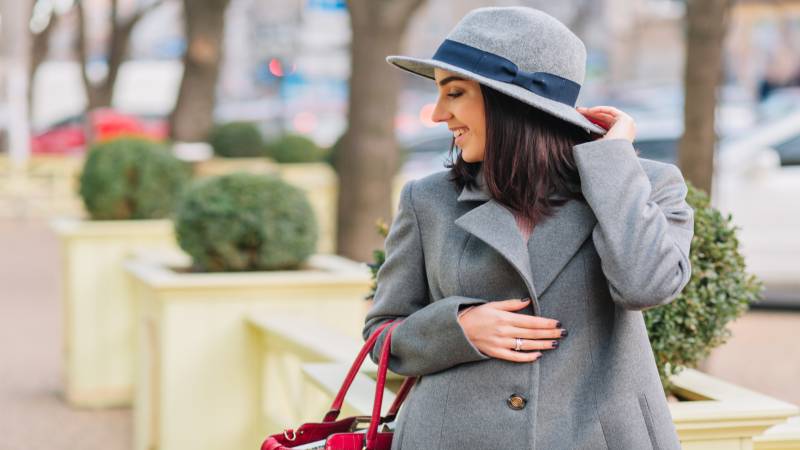
Fashion is an important part of everyday life. It allows people to express their personalities, feel confident, and choose clothing that suits their needs and lifestyles. From casual outfits to formal clothing, the right fashion choices can make daily activities more comfortable and enjoyable. Fashion does not always mean following expensive trends or buying new clothes every season. It is often about understanding personal preferences, choosing suitable colors, and creating outfits that look good and feel comfortable.
Modern fashion has become more flexible because people have different routines, budgets, and preferences. Some prefer simple and classic clothing, while others enjoy experimenting with new styles, patterns, and accessories. The most useful approach is to find a balance between appearance, comfort, practicality, and affordability.
The concept of hibbegs homerocketrealty fashion can be explored through everyday clothing choices, modern style inspiration, and practical ideas for building a wardrobe. Understanding these elements can help individuals make better fashion decisions without unnecessary spending or complicated routines.
1. Understanding Modern Fashion
Modern fashion includes a wide range of clothing styles, from traditional outfits to contemporary designs. It changes with cultural influences, seasonal conditions, social activities, and individual preferences. However, many essential fashion principles remain the same.
Comfort, quality, and suitability are important when selecting clothing. An outfit that looks attractive but feels uncomfortable may not be practical for everyday use. Similarly, clothing that suits one occasion may not be appropriate for another.
A useful wardrobe contains different types of clothing for work, casual activities, social gatherings, and special occasions. These pieces should complement one another so that creating outfits becomes easier.
Personal style also plays an important role. Instead of copying every trend, people can select ideas that match their personalities and daily routines. This approach makes fashion more practical and helps create a consistent appearance.
2. Choosing Clothing for Everyday Activities
Everyday clothing should reflect the activities a person performs regularly. Comfortable outfits are especially useful for shopping, traveling, working from home, meeting friends, or completing household tasks.
For casual occasions, jeans, trousers, simple shirts, T-shirts, and comfortable footwear are common choices. These items can be combined in different ways to create several outfits without requiring a large wardrobe.
For professional environments, clean shirts, tailored trousers, modest dresses, and suitable shoes can create a polished appearance. The exact choice depends on workplace expectations and personal comfort.
Weather should also influence clothing decisions. Lightweight fabrics are often suitable for warm conditions, while sweaters, jackets, and layered outfits provide additional warmth during colder months.
When choosing clothing, consider its fit, fabric, and ease of movement. These details can make a significant difference in how an outfit looks and feels throughout the day.
3. Building a Practical Wardrobe
A practical wardrobe does not need to contain hundreds of clothing items. A carefully selected collection of versatile pieces can provide enough options for many situations.
Start by identifying the clothing items used most frequently. These may include neutral-colored shirts, comfortable trousers, jeans, everyday shoes, and a suitable jacket. Once the essential pieces are available, additional items can be selected according to personal interests.
Neutral colors such as black, white, gray, beige, and navy are useful because they are easy to combine. Adding a few brighter colors or patterned pieces can create variety without making the wardrobe difficult to manage.
The principles behind hibbegs homerocketrealty fashion can also be applied to thoughtful wardrobe planning. Choosing versatile items, considering personal needs, and avoiding unnecessary purchases can make everyday style easier to maintain.
Before buying something new, consider whether it works with clothing already owned. If a new shirt matches several pairs of trousers, for example, it may offer more value than an item that can only be worn with one specific outfit.
4. Understanding Colors and Patterns
Colors influence the overall appearance of an outfit. Some people prefer neutral shades because they create a clean and classic look, while others enjoy bright colors that express creativity and personality.
A simple way to coordinate clothing is to begin with one main color and add complementary shades. For example, navy trousers can work well with white, light blue, or gray shirts. Beige clothing can be paired with brown, cream, olive, or other natural tones.
Patterns can also add interest. Stripes, checks, floral prints, and geometric designs offer different visual effects. However, combining too many patterns may make an outfit appear unbalanced.
For a simple approach, choose one patterned item and pair it with solid-colored clothing. A striped shirt with plain trousers or a floral dress with minimal accessories can create an attractive appearance.
There are no universal rules that determine which colors everyone should wear. Personal preference, cultural traditions, the occasion, and individual comfort should guide the final decision.
5. Seasonal Fashion and Fabric Selection
Seasonal changes affect both comfort and clothing choices. Understanding different fabrics can help people dress appropriately throughout the year.
Summer Clothing
During warm weather, breathable fabrics such as cotton and linen are popular choices. Loose-fitting garments can improve comfort, especially in hot and humid conditions. Lighter colors are also commonly selected for summer outfits.
Winter Clothing
Cold weather often requires sweaters, coats, jackets, scarves, and other warm layers. Layering is useful because it allows people to adjust their clothing when moving between indoor and outdoor environments.
Spring and Autumn Clothing
Mild seasons provide opportunities to experiment with lightweight jackets, long-sleeved shirts, cardigans, and versatile trousers. Layering different pieces can create practical outfits for changing temperatures.
Fabric quality should be considered alongside appearance. Reading care labels and understanding washing instructions can help prevent shrinking, fading, or damage.
Selecting suitable fabrics helps clothing remain comfortable and useful across different activities and weather conditions.
6. The Role of Accessories
Accessories can change the appearance of an outfit without requiring an entirely new set of clothes. Common examples include watches, belts, handbags, scarves, hats, jewelry, and sunglasses.
The key is to choose accessories that complement the clothing rather than compete with it. A simple outfit can look more polished with a suitable belt, watch, or handbag.
For formal occasions, understated accessories often create an elegant appearance. Casual outfits may allow more freedom to experiment with colors, shapes, and textures.
Footwear is another important element. Sneakers, flats, sandals, boots, and formal shoes serve different purposes. The right choice depends on the occasion, weather, and amount of walking involved.
Accessories should also be practical. Comfortable shoes, useful bags, and weather-appropriate items can improve the overall experience of wearing an outfit.
7. Fashion on a Budget
Looking stylish does not require spending large amounts of money. Budget-friendly fashion begins with understanding personal needs and making thoughtful purchasing decisions.
One useful strategy is to prepare a shopping list before visiting stores or browsing online. This reduces the likelihood of buying items that are attractive but unnecessary.
Comparing prices, checking fabric quality, and looking for seasonal discounts can also help control spending. However, the lowest price does not always provide the best value. Clothing that wears out quickly may need to be replaced more frequently.
Secondhand clothing can be another affordable option. Many pre-owned garments remain in good condition and offer opportunities to find distinctive styles at lower prices.
Repairing small problems, such as loose buttons or minor stitching issues, can extend the life of existing clothing. Proper washing, drying, and storage also help maintain quality.
A thoughtful approach to hibbegs homerocketrealty fashion emphasizes practical choices rather than constant shopping. By making better use of existing clothing, people can maintain personal style while keeping expenses under control.
8. Personal Style and Confidence
Personal style is different for everyone. It may be influenced by culture, profession, hobbies, climate, age, and individual preferences. Some people enjoy traditional clothing, while others prefer contemporary designs or a combination of both.
Confidence often comes from wearing clothes that feel appropriate and comfortable. An outfit does not need to follow the latest trend to look attractive. Clean clothing, suitable fit, and thoughtful coordination can make a strong impression.
Experimenting with different combinations is a useful way to discover personal preferences. Trying a new color, changing accessories, or combining existing pieces differently can reveal styles that work well.
It is also important to avoid comparing personal appearance with unrealistic images on social media. Fashion should support self-expression rather than create unnecessary pressure.
The best personal style is one that reflects individual taste while meeting practical needs.
9. Sustainable and Responsible Fashion
Sustainable fashion focuses on reducing the environmental impact associated with clothing production, use, and disposal. Although individual choices cannot solve every environmental problem, practical habits can contribute to more responsible consumption.
Buying fewer but more useful items can reduce unnecessary waste. Selecting durable garments and caring for them properly may extend their lifespan.
Donating clothing in good condition, exchanging garments with others, and purchasing secondhand items are additional ways to keep usable clothing in circulation.
Consumers can also consider whether brands provide clear information about materials, manufacturing practices, and product care. Such information may help people make more informed decisions.
Responsible fashion does not require replacing an entire wardrobe with new sustainable products. Often, the simplest step is to use existing clothing for longer and purchase replacements only when necessary.
10. Common Fashion Mistakes to Avoid
Some everyday fashion mistakes can make dressing more difficult than necessary. Fortunately, most are easy to correct.
Buying clothes without a plan: Purchasing items simply because they are fashionable can lead to a crowded wardrobe with few matching outfits.
Ignoring comfort: Tight, restrictive, or unsuitable clothing may be impractical for daily activities.
Following every trend: Trends change frequently, so not every popular style will suit individual preferences or budgets.
Choosing the wrong size: Clothing that fits properly generally looks more balanced and allows easier movement.
Neglecting garment care: Incorrect washing, poor storage, and delayed repairs can shorten the life of clothing.
Overusing accessories: Too many competing accessories may distract from an otherwise balanced outfit.
Avoiding these mistakes can make wardrobe management simpler, more affordable, and more enjoyable.
11. How to Develop a Simple Fashion Routine
A basic fashion routine can save time and reduce daily decision-making. Begin by organizing clothing according to type, season, or frequency of use.
Next, identify a few reliable outfit combinations for common activities. Having ready-to-wear options for work, casual outings, and special occasions can make busy mornings easier.
Check the weather before selecting an outfit, particularly when temperatures change throughout the day. Prepare clothing in advance when attending an important meeting, event, or celebration.
Review the wardrobe occasionally to identify damaged items, clothing that no longer fits, and pieces that are rarely used. Repair, donate, or responsibly pass along items when appropriate.
Finally, leave room for creativity. A consistent routine provides convenience, but experimenting with new combinations keeps personal style interesting.
These simple habits can make fashion a manageable part of everyday life instead of a time-consuming task.
Conclusion
Fashion is most useful when it combines comfort, personality, practicality, and thoughtful decision-making. A well-organized wardrobe, suitable colors, quality fabrics, and carefully selected accessories can help people create attractive outfits for different occasions.
The ideas associated with hibbegs homerocketrealty fashion can be understood through these everyday principles: choose clothing that fits your lifestyle, make the most of what you own, spend within your budget, and express your personal preferences with confidence.
Modern style does not depend on expensive purchases or following every new trend. It develops through small, consistent choices that support comfort and individuality. By understanding personal needs and caring for clothing properly, anyone can build a practical wardrobe that remains useful, versatile, and enjoyable over time. See More